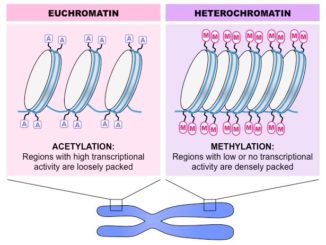
Differences between Euchromatin and Heterochromatin
S.N. Euchromatin Heterochromatin 1. It consists of thin and extended chromatin fibers. It consists of thick and compact chromatin fibers. 2. Chromatin fibers are uncoiled […]
S.N. Euchromatin Heterochromatin 1. It consists of thin and extended chromatin fibers. It consists of thick and compact chromatin fibers. 2. Chromatin fibers are uncoiled […]
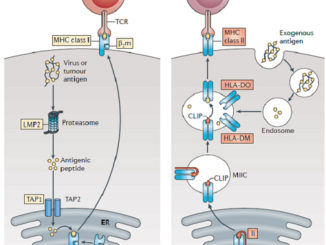
Antigen processing and presentation are the means by which protein antigens become associated with self MHC molecules for presentation to T-cells with appropriate receptors. It […]
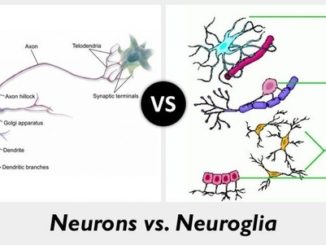
S.N. Nerve cells Glial cells 1. They are neuronal cells and are also called neurons. They are non-neuronal cells and are also called neuroglia. 2. […]
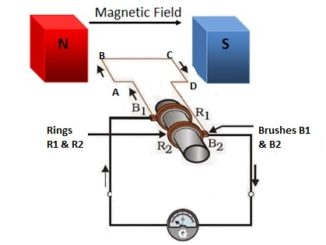
A generator is a machine which converts mechanical energy into electrical energy. It consists of a coil moving in a magnetic field. As the coil […]
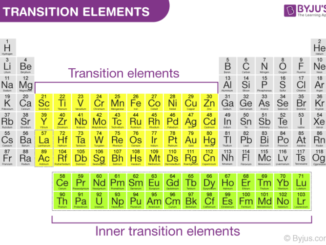
The elements in which last electron enters the d- subshell of the penultimate (second outermost) energy level are called d-block elements. In other words, d- […]
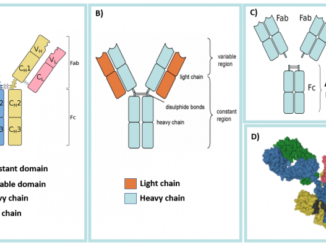
Antibodies are globulin proteins present in blood that boost our immune system. Hence, these proteins are also called immunoglobulins. Antibodies react specifically with antigens and […]
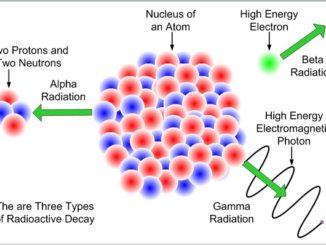
The naturally occurring elements like Uranium, Polonium, Radium etc. constantly undergo a spontaneous change with the emission of different radioactive rays. This phenomenon of emission […]
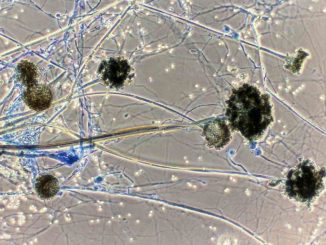
The term mucormycosis (also called zygomycosis) is used to refer to the opportunistic infections caused by a number of molds belonging to the Order Mucorales […]
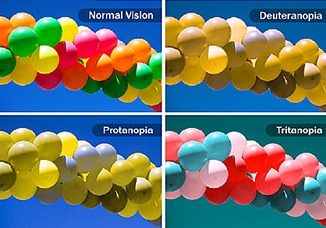
Color blindness also known as color vision deficiency is the inability of a person to see colors in a normal way. Color blindness can occur […]
DNA sequencing is the process of determining the entire sequence of nucleotides of a genome. The development of new techniques has made it possible to […]
Copyright © 2026 | WordPress Theme by MH Themes