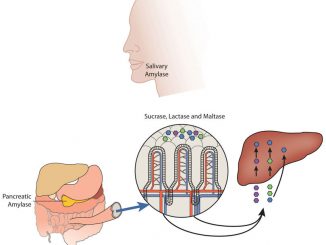
Digestion of carbohydrates in human body
The food that we consume contains three types of carbohydrates namely; polysaccharides, oligosaccharides and disaccharides which need digestion. The polysaccharides include starch, glycogen and cellulose. […]
The food that we consume contains three types of carbohydrates namely; polysaccharides, oligosaccharides and disaccharides which need digestion. The polysaccharides include starch, glycogen and cellulose. […]
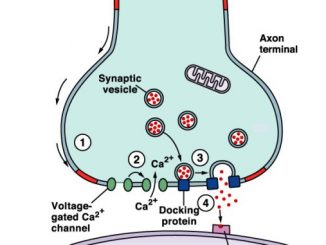
Synapse is the close proximity of the axon of one neuron and the dendrites or cyton of another neuron with a gap of just about […]
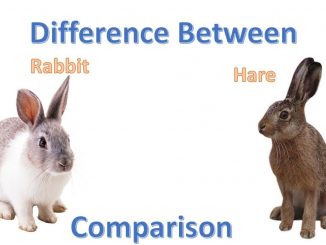
S.N. Hare (Lepus) Rabbit (Oryctolagus) 1. It is a normad, staying temporarily at some sheltered spot behind a stone or under a bush. It […]
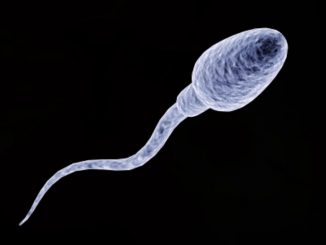
Mature sperm or spermatozoan is a male gamete that takes part in reproduction. Normally, 300 to 500 million sperm are released during an ejaculation. A […]

An immediate or spontaneous response or reaction shown towards any stimulus by an organism is called reflex action. A reflex is a predictable involuntary response […]
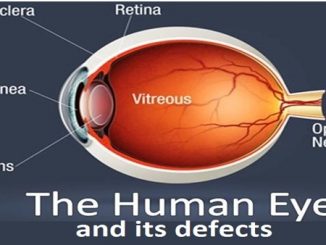
Detached retina: Sometimes the retinal layers become separated but normally there is no space between two retinal layers. This separation between retinal layers is called […]
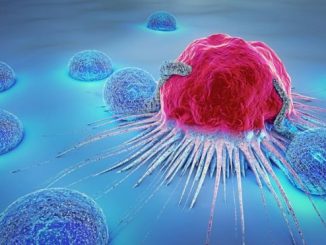
Cancer (usually symbolized by a crab) is a non-communicable disease. Cancer is the unregulated and uncontrolled proliferation of cells or it is a breakdown of […]
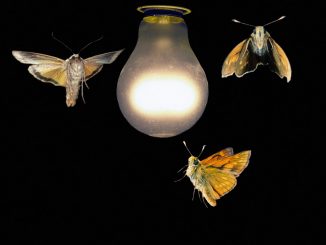
The ability to respond to stimuli is a characteristic of all plants and animals. The animals respond quickly to the stimuli and their responses can […]
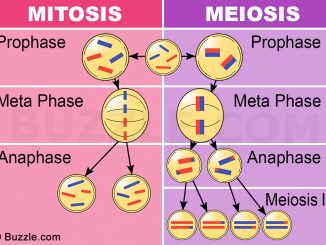
S.N. Mitosis Meiosis 1. It occurs in all kinds of cells (generally somatic cells) and may continue throughout the life. It occurs only in special […]
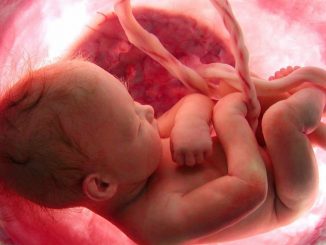
Sexual reproduction occurs in both unicellular and multicellular organisms which involves two individuals (male and female) but of the same species. The offsprings thus produced […]
Copyright © 2026 | WordPress Theme by MH Themes