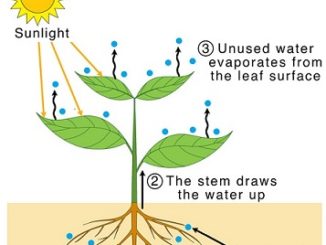
Transpiration: Mechanism, Types, Factors affecting transpiration, Biological significance and Disadvantages
Plants absorb a large quantity of water from the soil by root hairs and only a small part (1-2%) of this water is utilized by […]
Plants absorb a large quantity of water from the soil by root hairs and only a small part (1-2%) of this water is utilized by […]
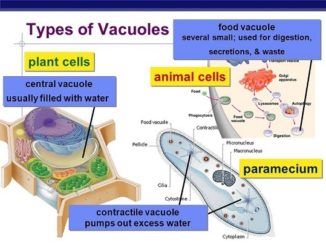
Vacuoles are membrane bound cell organelles found almost in all the cells. They are small in animal cells whereas fungi and plants have large vacuoles. […]
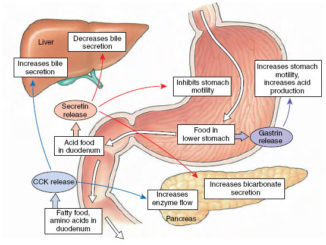
The epithelium present in the alimentary canal secretes hormones. These hormones are carried by blood to the digestive glands which then release their digestive secretions […]

S.N. Mitochondria Chloroplasts 1. They are smaller in size (1-4 µm). They are bigger in size (4-10 µm). 2. They occur in practically all eukaryotic […]
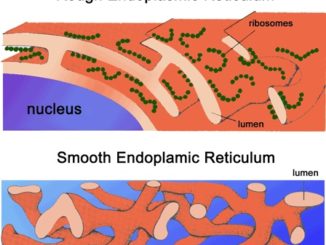
S.N. RER (Rough ER) SER (Smooth ER) 1. It is composed mainly of cisternae. It is composed mainly of tubules and vesicles. 2. It bears […]

S.N. Characteristics 70S Ribosomes 80S Ribosomes 1. Occurrence They occur in prokaryotic cells and in the mitochondria and plastids of eukaryotic cells. They occur only […]
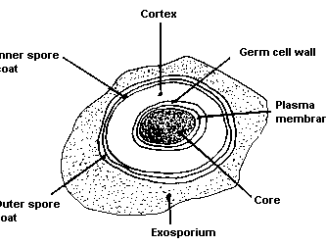
Spore is a resting or dormant cell which is metabolically inactive and is produced during unfavorable conditions like nutrition deficiency, extreme temperature and pH, presence […]
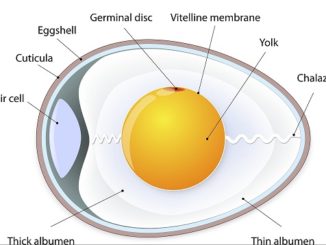
Egg cell or ovum, also known as female gamete is formed by the process of oogenesis in female organisms. They are produced by follicle cells […]
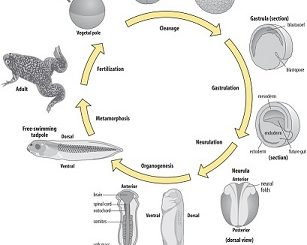
Introduction: In sexual reproduction, development of organisms begins with a fertilized egg or zygote. Zygote divides and re-divides to form an embryo. Embryo is the […]
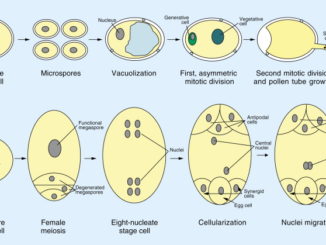
A gametophyte is the haploid phase in the life cycle of a plant that produces gametes. The process of formation of gametes or germ cells […]
Copyright © 2026 | WordPress Theme by MH Themes