
Why do our knuckles crack?
Structure of a typical joint: Diarthrodial joints consist of two bones coming in contact at their cartilage surfaces which are surrounded by a joint capsule. […]
Structure of a typical joint: Diarthrodial joints consist of two bones coming in contact at their cartilage surfaces which are surrounded by a joint capsule. […]

Atmosphere: The thick layer of air that surrounds the earth’s crust is called the This canopy of air covers the lithosphere (the crust and the […]
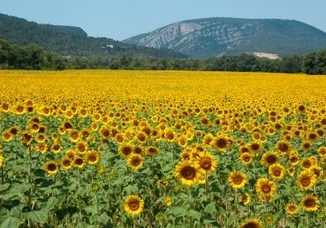
General features of flowering plants Previously, all the flowering plants were kept in the sub-kingdom called Phanerogams. They are the most developed and economically important […]
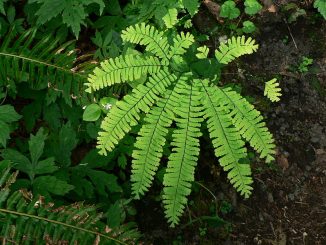
General characteristics of plants: This kingdom includes autotrophic (some are heterotrophic), eukaryotic and multicellular organisms (some are however, unicellular like Cholerlla, Chlamydomonas) They live in […]
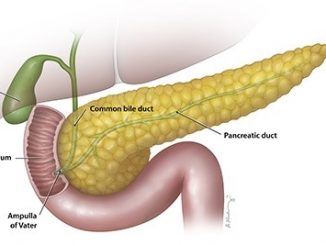
Pancreas (mixed gland) Location and structure: The pancreas is an elongated (12 to 15 cm), fleshy organ consisting of head, body and tail. It is […]
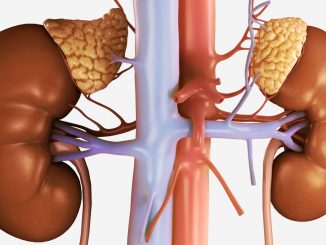
Adrenal glands (The emergency glands) Two pyramid-shaped adrenal glands rest on the top of each kidney, hence also called supra-renal glands. Each adrenal gland actually […]
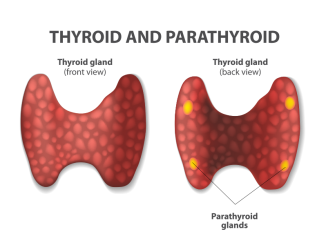
Thyroid and Parathyroid glands Thyroid gland: Location and structure: It is the largest endocrine gland located in the neck, anterior to the trachea. It consists […]
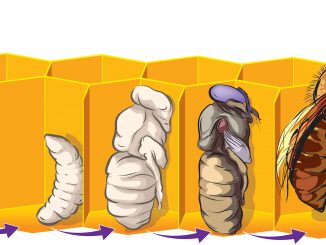
Life cycle of honey bee The life cycle of honey bee completes in four stages; egg, larva, pupa and adult. The queen bee emerges from […]

Honey bees are social insects, which means that they live together in large, well-organized family groups. They are useful to us as they produce honey, […]
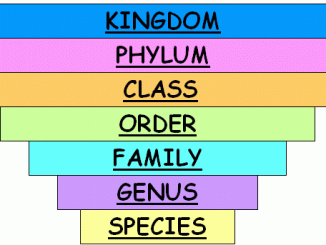
The scientific ordering or systematic arrangement of living organisms in a hierarchical series of groups on the basis of their relationships (morphological, evolutionary and other […]
Copyright © 2026 | WordPress Theme by MH Themes